
Compliance
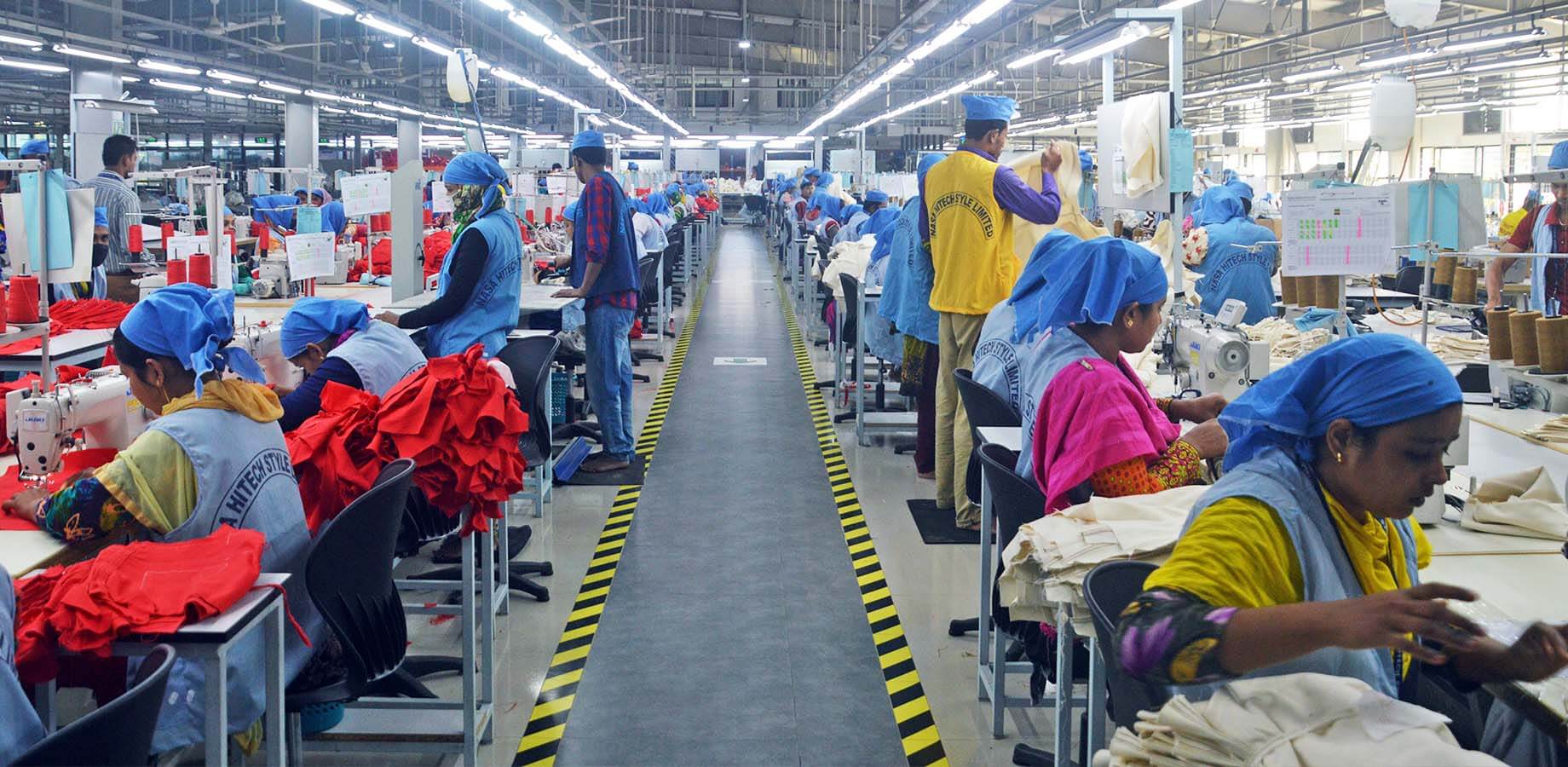
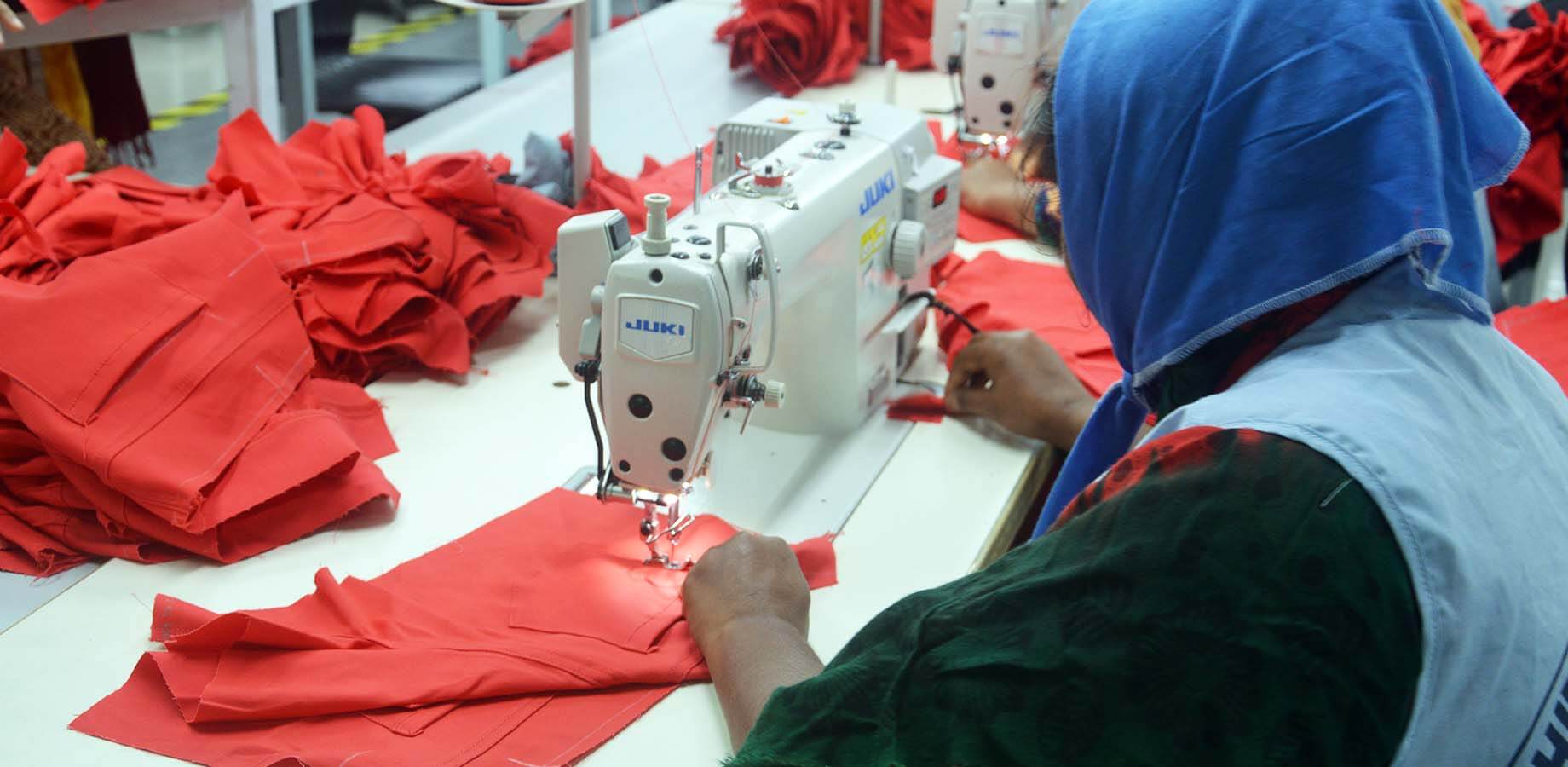
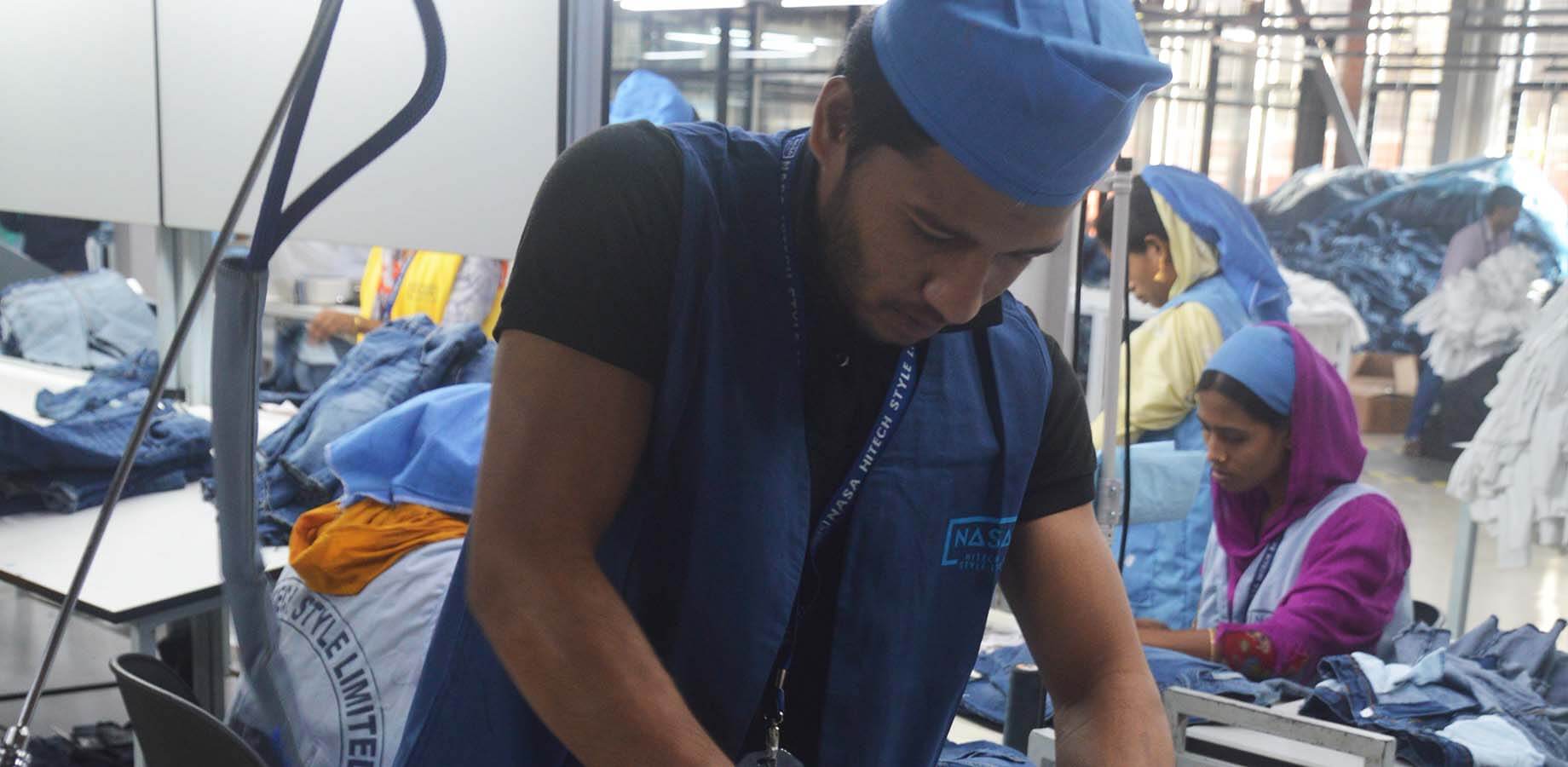
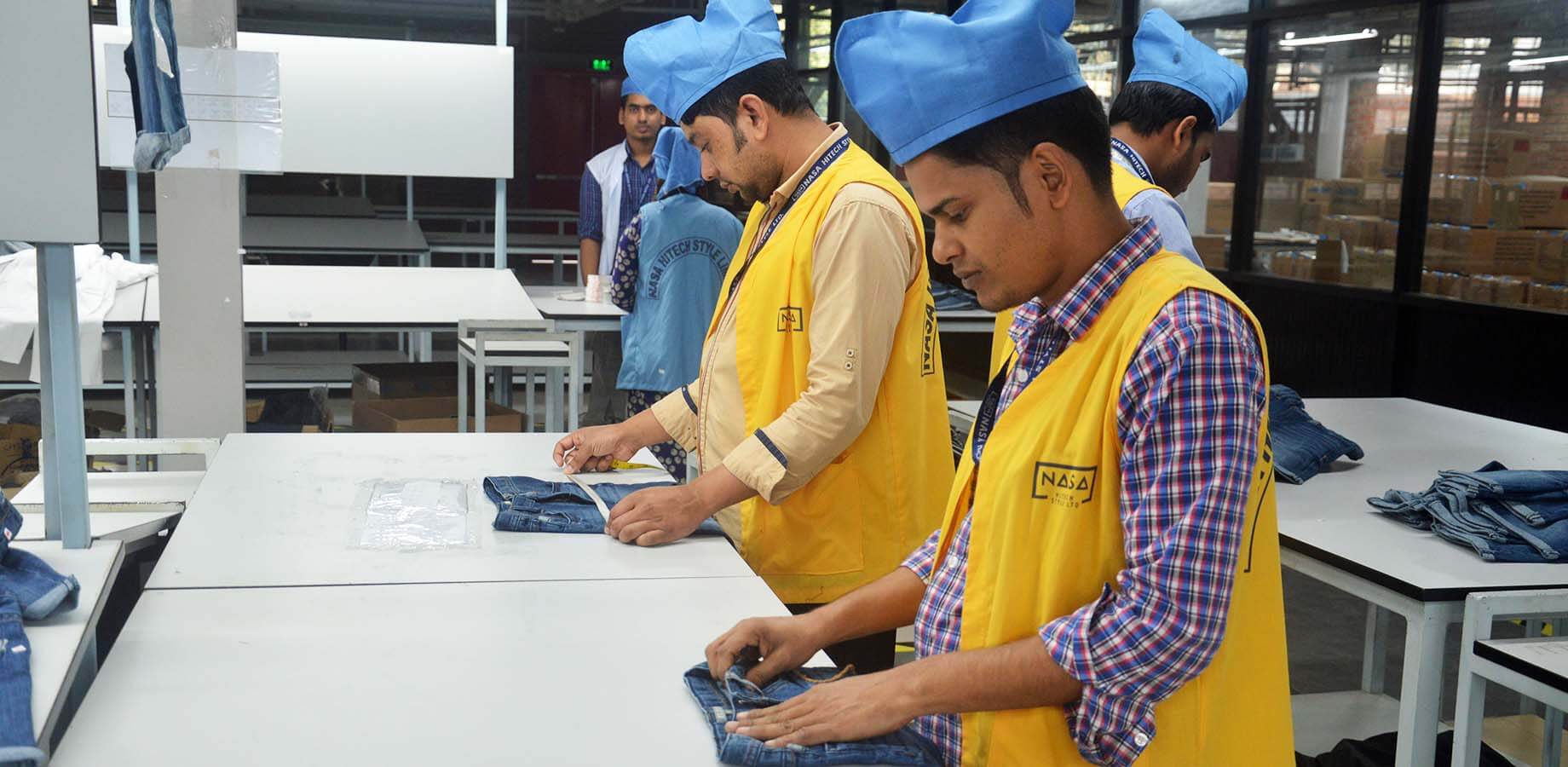
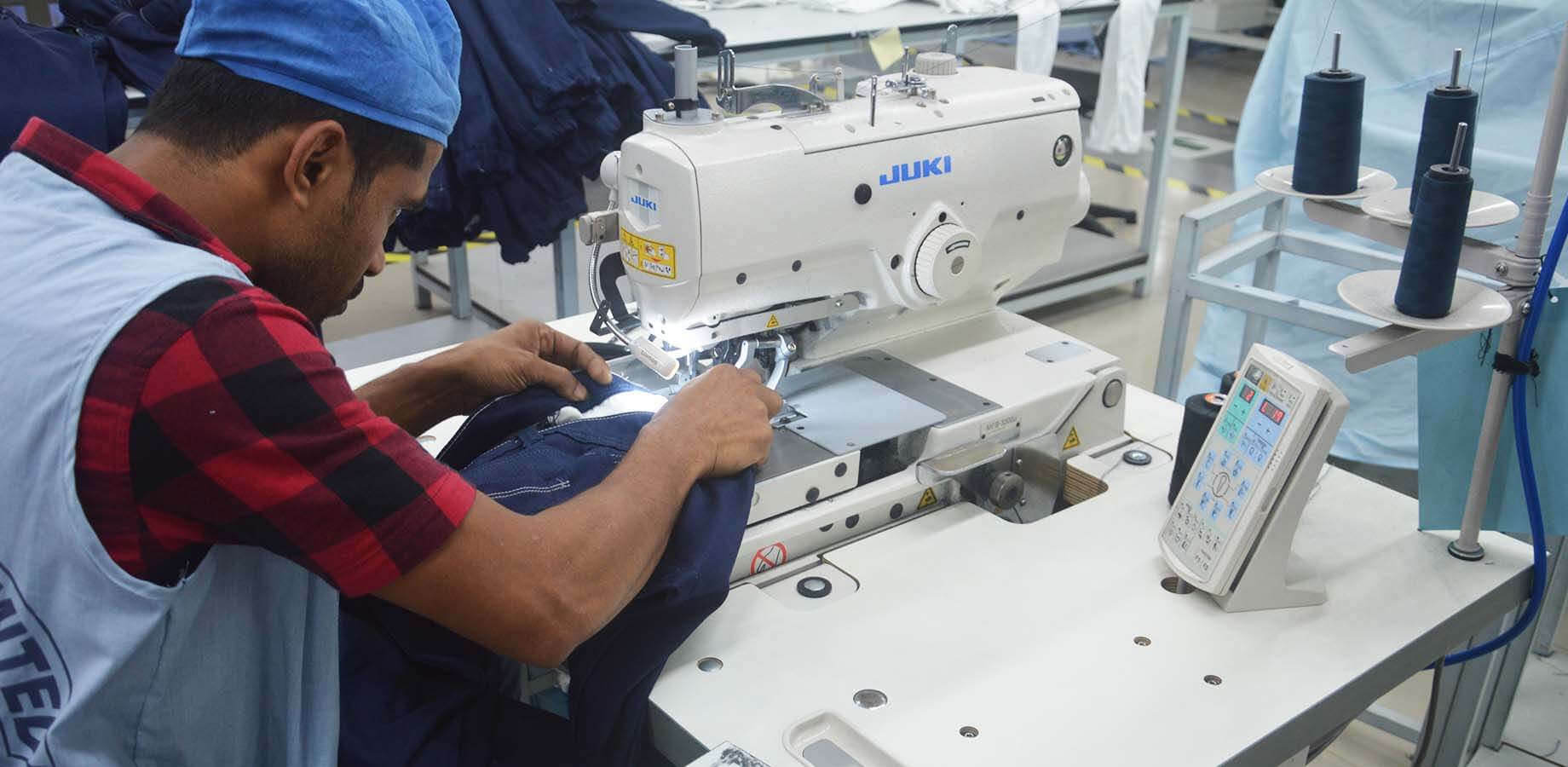
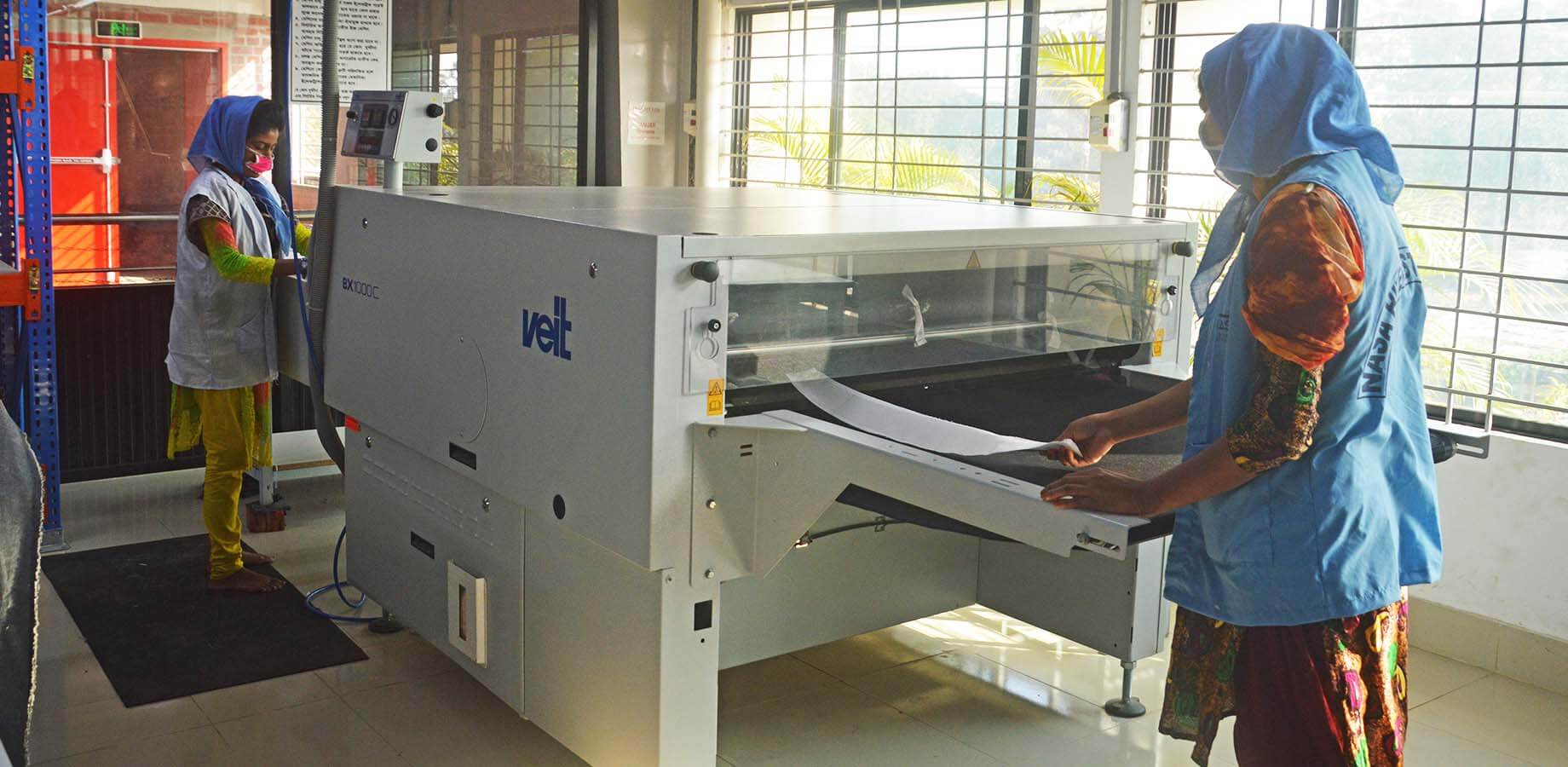
At SABL, we strive to eliminate sweatshops by promoting ethical working conditions, labor rights, corporate social responsibility and social dialogue. Thus, we expect our garment factories to be socially compliant as well. Our standard of evaluation is based on internationally recognized standards of decent work, including the Universal Declaration of Human Rights, ILO conventions, and national laws. The aspects we care for are:
- Child labor: No children younger than 15 years of age may be employed by a factory.
- Forced labor: No person may be employed by a factory if they haven’t offered to do so voluntarily or be forced to work under the threat of punishment or retaliation.
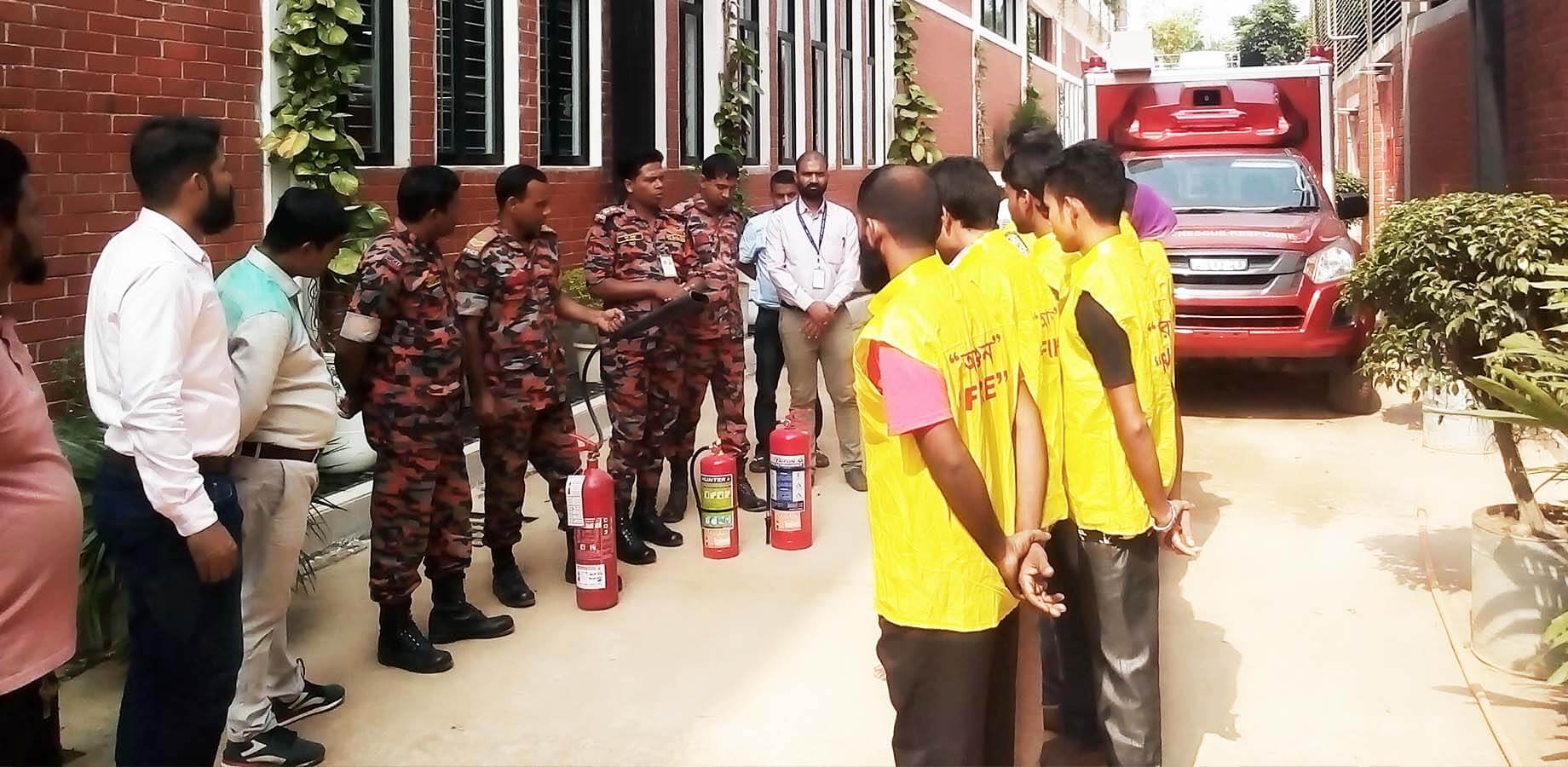
- Health and safety: A safe and healthy workplace environment must be provided by the factory who should also prevent any potential health and safety incidents and work related injury or illness from occurring.
- Freedom of association and collective bargaining: All staff have the right to form, join and organize trade unions and to bargain collectively on their behalf.
- Discrimination: A factory is prohibited from engaging in discrimination in hiring, remuneration, access to training, promotion, termination or retirement.
- Disciplinary practices: A factory is prohibited from engaging in or tolerating the use of corporal punishment, mental or physical coercion or verbal abuse of employees.
- Working hours: A factory must comply with applicable laws, collective bargaining agreements and industry standards on working hours, breaks and public holidays.
- Remuneration: The right of staff to a living wage must be respected by the factory.
- Management systems: Compliance must be reviewed and implemented through developed policies and procedures.
We have close contact with over 50 world class and very experienced apparel manufacturers in Bangladesh. Most of the vendors are BSCI, WRAP and ISO certified.

Corporate Social Responsibility
In its most ideal and humanitarian definition, corporate social responsibility is a built-in and self-regulating mechanism that ensures active compliance with the spirit of the law, ethical standards, and international norms, as well as a positive impact on the environment and stakeholders, such as consumers, employees, and communities impacted by the business's activities. If a firm is unable to create a direct beneficial effect, it might support or fund social activities that benefit stakeholders, the environment, and/or the earth.
In social aspects, SABL tries to engage in community participation, financial aid services. In terms of the environment, our involvement entails conserving natural resources for our planet's future needs, conserving energy to the greatest extent possible, managing wastes that are by-products of the manufacturing process, recycling wastes, particularly water, and reducing pollution of the atmosphere and environment.
 DevField Consulting.